
Planning Permit vs Building Permit: What's the Difference, and Why Do I Need Both?
Confused about a planning permit vs building permit? Discover the key difference between a planning and building permit, what a building surveyor does, and how to successfully navigate the step-by-step approval process before you start building.
2 min read
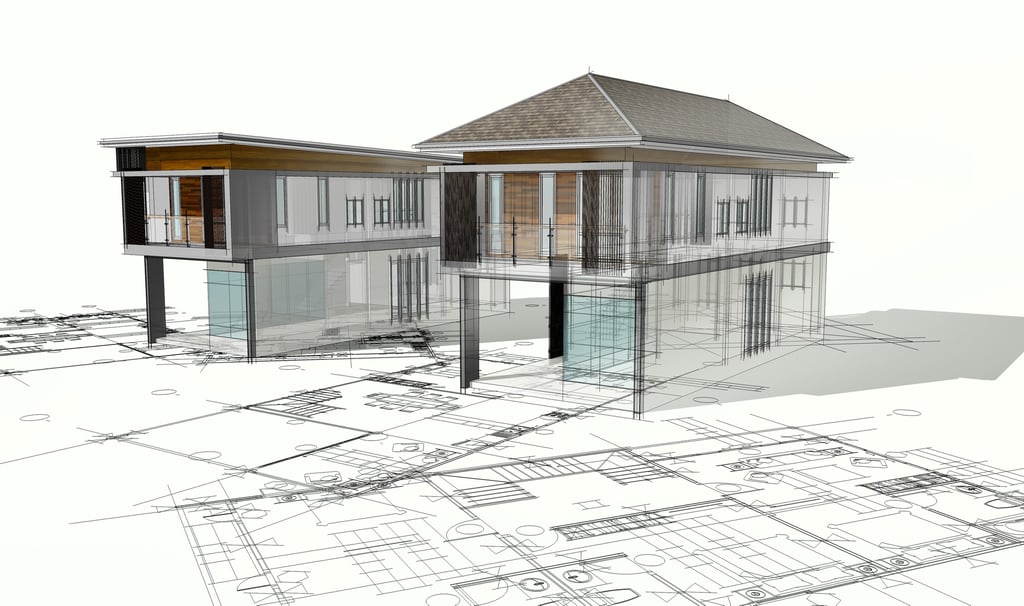
Ask anyone who's built a home and they'll tell you: the permit stage feels like a maze. If you are feeling stuck trying to figure out a planning permit vs building permit and how they fit together, you aren't alone. It's the most common source of confusion we see from visitors
Difference between planning and building permit:
There are two permits, and they answer two completely different questions.
A planning permit answers: Does your design belong on this site? It's issued by your local council and checks your design against the Planning Scheme — things like building height, setbacks from boundaries, neighbourhood character, tree protection, and overshadowing.
A building permit answers: Is your design safe to live in? It's issued by a registered building surveyor and checks your design against the National Construction Code — structural integrity, fire safety, waterproofing, energy efficiency, and accessibility.
Think of it this way: the planning permit decides what you can build. The building permit decides how you build it.
You need both before a single brick is laid.


What Does a Building Surveyor Do?
The building surveyor is the most misunderstood person on your project. If you've ever wondered what a building surveyor does, their sole job is to verify the build is safe and compliant. They're not a council employee. They're not working for your builder.
They're an independent professional whose sole job is to verify the build is safe and compliant. They review your plans before construction. They inspect the work at critical stages during construction — footings, framing, waterproofing. And at the end, they issue your Occupancy Permit — the legal sign-off that your home is safe to live in.
From the homeowner's perspective, the building surveyor is your strongest ally. They're the one who can issue a Direction to Fix when work doesn't comply.
They're the enforcement authority on site — and they work for you, not the builder.


The Process, Step by Step
So here's how the Design & Permit stage actually flows:
1. Architect researches all rules and restrictions on your site, then designs to comply.
2. If the design falls outside Deem-to-Satisfy, the architect applies to Council for a planning permit (or Report & Consent for smaller departures).
3. Building surveyor reviews all documentation — architectural drawings, engineering, soil report, energy report — and raises any issues.
4. Architect provides updates to resolve the surveyor's queries.
5. Building permit is issued. Construction can now legally begin.
This is the standard process, though different states may have different names and procedures for confirming compliance with [Design] and compliance with [Safety].